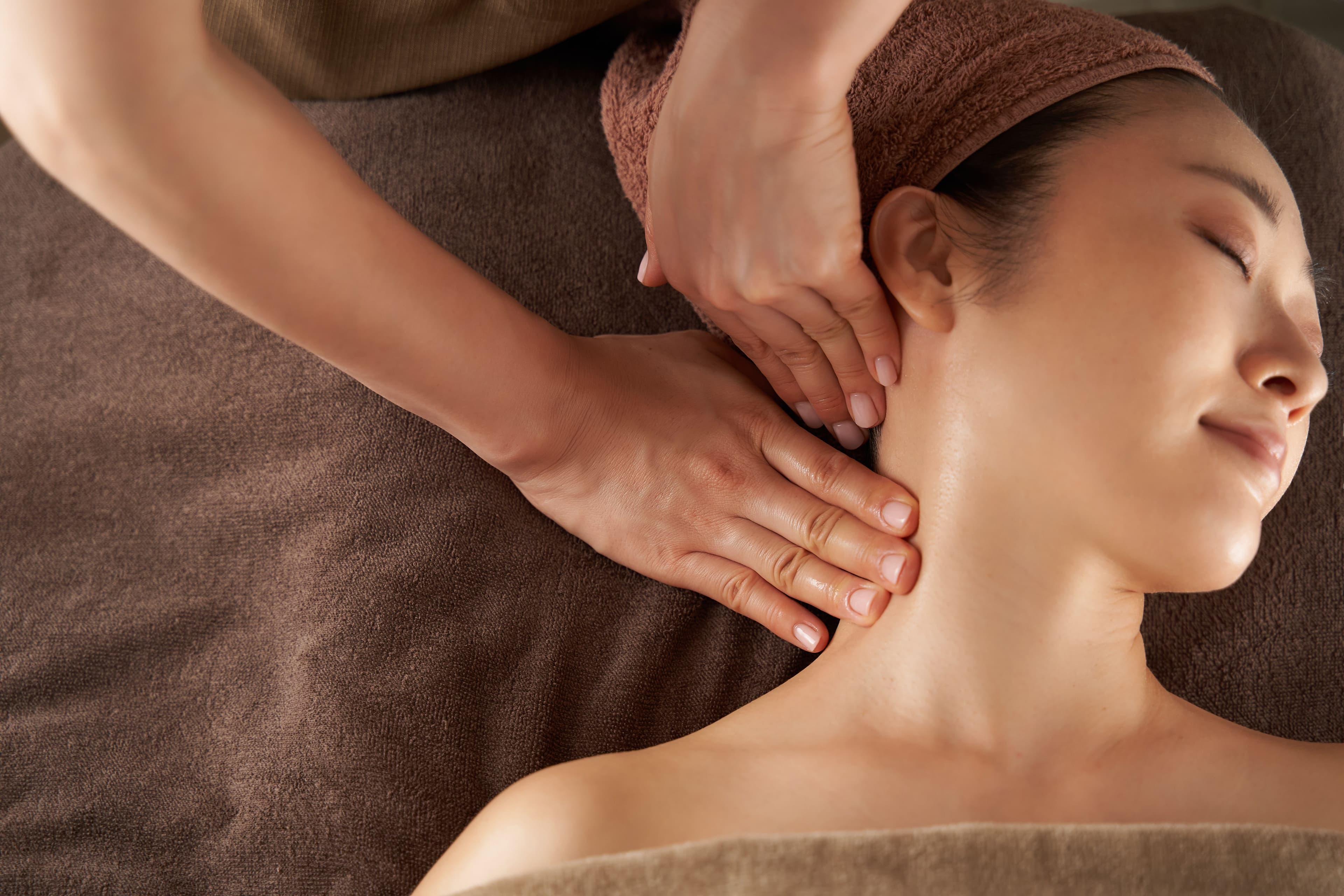
Japanese massage is a traditional healing practice that uses pressure, stretching and rhythmic movements to promote relaxation and physical wellbeing. Its main styles include Anma, Shiatsu, Zen Shiatsu, Ashiatsu, Kobido, and Seitai, each offering a distinct approach to relieving tension, supporting circulation, and restoring balance in the body.
Key Takeaways
- Japanese massage encompasses several distinct styles, including Anma, Shiatsu, Zen Shiatsu, Ashiatsu, Kobido and Seitai, each using different techniques and approaches.
- Shiatsu is a type of Japanese massage using sustained pressure from the fingers, thumbs and palms, and can be combined with stretching.
- Japanese massage traditionally draws on concepts such as ki, meridians and tsubo, while modern research focuses primarily on the physical and psychological effects of massage.
- Japanese massage may support relaxation, ease muscle tension and promote mobility, although the strength of evidence varies between techniques and conditions.
- Sessions are typically performed fully clothed, often on a futon or padded mat, with the experience adapted according to the practitioner and style.
- A massage chair can recreate some elements of Japanese-style massage at home, but it cannot replicate the personalised assessment, adaptability and human touch of a trained practitioner.
What is Japanese Massage?
Japanese massage is a traditional form of bodywork that uses techniques such as pressure, kneading, stretching and rhythmic movements to relax the body and ease muscle tension.
Rooted in traditional Japanese healing practices, Japanese massage has developed into different styles over time. Sessions may begin with a brief consultation to identify areas of tension, discomfort or limited movement, so the treatment may be adapted to the individual. The experience can range from gentle and calming to more targeted and invigorating, depending on the technique used.
While each style has its own approach, Japanese massage generally focuses on promoting relaxation, relieving tension and supporting the body’s natural sense of balance.
The Main Types of Japanese Massage
| Style | What it Targets | Pressure Level | Clothed or Oiled | Typical Session Length |
|---|---|---|---|---|
| Ashiatsu | Deep muscle tension and tightness | Firm to deep | Oiled | 60–90 minutes |
| Anma | Muscle tension, stiffness and circulation | Moderate to firm | Clothed | 30–60 minutes |
| Kobido | Facial tension, circulation and relaxation | Gentle to moderate | Facial oil/cream | 45–90 minutes |
| Seitai | Posture, alignment, mobility and muscular tension | Moderate to firm | Usually clothed | 30–90 minutes |
| Shiatsu | Muscle tension, pressure points and overall relaxation | Gentle to firm | Clothed | 30–90 minutes |
| Zen Shiatsu | Tension, posture, breathing and energy flow | Gentle to moderate | Clothed | 60–90 minutes |
- Ashiatsu (ah-shee-AHT-soo; ashi = foot; atsu = pressure) is distinguished by the practitioner using their feet.
- Kobido (koh-BEE-doh; ko = old/ancient; bi = beauty; do = way/path) is specifically a traditional Japanese facial massage.
- Seitai (SAY-tie; sei = correct/proper; tai = body) is a type of Japanese bodywork or a hands-on approach to posture and physical alignment rather than a conventional massage style.
- Zen Shiatsu (zen shee-AHT-soo; zen = meditation/meditative tradition; shiatsu = finger pressure) is a slower, more meditative approach to Shiatsu that incorporates sustained pressure, stretching and breathing techniques.
Anma: The Original Technique
Anma (AHN-ma; an = press; ma = rub) combines concepts of pressing and rubbing, reflecting the hands-on techniques used throughout a treatment. It is one of the oldest forms of Japanese massage, with roots in traditional East Asian bodywork. Practitioners use rhythmic kneading, pressing, rubbing and tapping to work on muscles and areas of tension.
Traditionally, Anma was performed through clothing, making it a practical form of massage that did not require oils or direct skin contact. The pressure can range from gentle to firm, depending on the technique used and the individual receiving the treatment. Rather than focusing solely on one muscle group, a session may work across the body to encourage relaxation and ease feelings of stiffness and tension.
Anma also influenced the development of modern Japanese massage practices, including Shiatsu. While the two share techniques and principles, Anma is generally characterised by its broader use of rhythmic massage movements.
Shiatsu: Finger Pressure Therapy
Shiatsu (shee-AHT-soo, shi = finger; atsu = pressure) is a Japanese form of bodywork whose name literally means “finger pressure”, as it uses sustained pressure from the fingers, thumbs and palms, sometimes combined with gentle stretching and joint movements. While Japanese massages developed from traditional practices, treatments are now generally performed through comfortable clothing, without massage oil.
A Shiatsu practitioner applies pressure to specific areas of the body, adjusting the intensity according to the person's needs and comfort. Rather than using continuous gliding strokes, as in some Western massage techniques, Shiatsu usually involves holding pressure for several seconds before moving to another area. This creates a slower, more deliberate style of massage.
Shiatsu is commonly associated with relaxation and the relief of everyday muscle tension and stiffness. Its emphasis on pressure, stretching and mindful movement can also make it feel distinct from a conventional oil-based massage. Different practitioners may use slightly different techniques and approaches, so the experience can vary from a gentle, calming treatment to a firmer and more targeted session.
For more information on this centuries-old tradition of bodywork, read on about Shiatsu therapy explained.
Is Japanese Massage the Same as Shiatsu?
The Japanese massage method is not the same as Shiatsu. Rather, Shiatsu is one specific style within the broader tradition of Japanese massage.
Japanese massage therapy encompasses several approaches, including Anma, Shiatsu, Zen Shiatsu, Ashiatsu, Kobido and Seitai. These styles differ in their techniques, focus, and the way pressure is applied. Anma, for example, uses rhythmic pressing, rubbing and kneading, while Shiatsu focuses primarily on sustained pressure applied with the fingers, thumbs and palms.
Shiatsu has its roots in earlier Japanese massage traditions, particularly Anma, but developed into a distinct form of bodywork. Today, the terms are sometimes used interchangeably in general conversation, especially when referring to Japanese-style massage. Technically, Shiatsu describes a specific treatment rather than Japanese massage as a whole, and can be further explored by comparing deep tissue vs Shiatsu.
To discover the ideal treatment option for your needs, explore more about the different types of massage.
How Does Japanese Massage Work?
Japanese massage works through a combination of pressure, rhythmic movements, stretching and other hands-on techniques designed to relax the body and ease muscle tension. Traditional approaches such as Shiatsu also draw on Japanese concepts of energy flow and balance. Japanese massage is traditionally based on the idea of supporting the body’s balance and flow of energy, known as ki.
Ki, Meridians and Tsubo
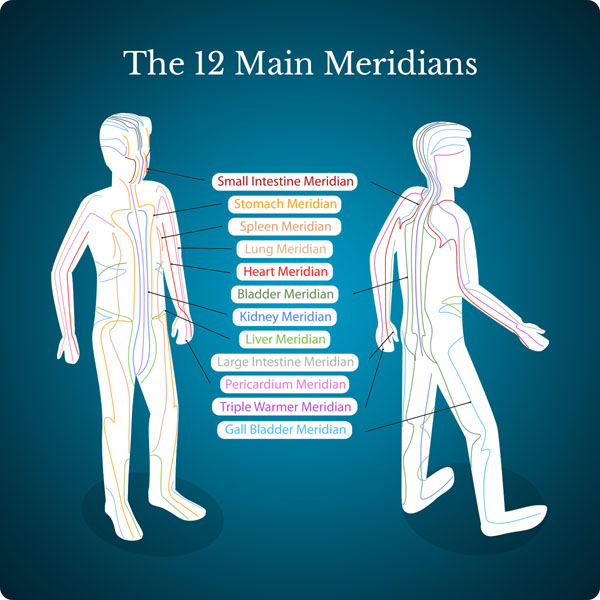
In traditional Japanese healing, ki refers to the body’s vital energy, while meridians are pathways through which ki is believed to flow. Shiatsu practitioners apply pressure to specific points known as tsubo (generally called acupressure points in English), which are traditionally considered areas where ki can be influenced. According to traditional Japanese medicine, imbalances in ki can lead to physical and emotional health problems, and Shiatsu is designed to help restore balance and promote overall well-being.
These concepts form part of the traditional framework behind Japanese massage, while the physical effects of massage are generally understood in terms of pressure, touch, stretching and movement.
What the Evidence Says
Currently, research on Shiatsu remains largely limited. However, a systematic review found that related acupressure techniques are beneficial.
“Many of the conditions with the strongest evidence (pain, post-operative nausea and vomiting, and sleep) are side effects of or challenging symptoms for conventional medicine suggesting that an integrated treatment approach may be of benefit. Conventional healthcare practitioners may therefore consider acupressure [...]” BMC Complement Altern Med, 2011
From a modern research perspective, massage is generally studied in terms of its physical and psychological effects, rather than changes in ki or meridian energy. Research on massage therapy has found evidence of benefits for outcomes such as reduced scores in labour pain and anxiety for nulliparous women (women who have not given live birth) during childbirth.
What Are the Benefits of Japanese Massage?
Japanese massage may offer a range of benefits associated with relaxation, muscle comfort and general wellbeing.
Depending on the style and techniques used, people may experience:
- Less stress and greater relaxation
- Relief from everyday muscle tension and discomfort
- Improved sleep and a calmer bedtime routine
- Greater ease of movement and a feeling of physical wellbeing
Stress, Relaxation and Mood
The rhythmic pressure and focused touch used in Japanese therapy can create a deeply relaxing experience, supporting the body and mind unwind. People may describe feeling calmer and more refreshed after a session, usually when massage is incorporated into a regular self-care routine.
Pain and Muscle Tension
Targeted pressure, kneading and stretching can ease everyday muscle tension and stiffness in areas such as the neck, shoulders and back. The finger pressure used in Shiatsu can help to stimulate the body's natural healing response, which can help to reduce pain and inflammation in the muscles and joints. Some research into Shiatsu and Anma has also reported improvements in pain, stiffness or discomfort, although results may depend on the technique and condition.
Better Sleep Quality
By encouraging relaxation and reducing physical tension, Japanese massage may promote conditions for more restful sleep. Some people report feeling especially relaxed or sleepy following a massage, although massage should not be considered a treatment for sleep disorders.
Circulation and Mobility
Massage techniques involving pressure, kneading and stretching can assist movement through stiff or tense areas and temporarily improve ease of movement. Additionally, it can contribute to stimulating blood flow to the muscles and organs, which can help to improve overall health and wellbeing. The combination of hands-on work and gentle stretching may leave the body feeling looser and more mobile after a session.
What Happens During a Japanese Massage Session?
While the exact experience varies depending on the style and practitioner, a Japanese massage session generally follows a simple sequence:
- Arrival and Consultation
- Change into Loose Clothing
- Hara Assessment
- Treatment
- Rest and Transition
- Aftercare
Before Your First Appointment
Your session may begin with a brief consultation about areas of tension, previous injuries and your preferred pressure level. Wear loose, comfortable clothing and allow time to settle in. Be sure to mention any health concerns or sensitivities so your practitioner can adapt the treatment where appropriate.
During the Treatment
This style of Japanese massage may be performed on a futon or padded mat and includes techniques such as sustained pressure, kneading, rubbing and gentle stretching.
In some traditional Japanese approaches, the practitioner may assess the hara, or abdominal area, using gentle touch to gather information about the body's condition according to traditional principles. Depending on the style, the experience can range from deeply calming to more targeted, with pressure adjusted throughout to support your comfort.
Aftercare and Common Reactions
After your session, you may feel deeply relaxed, calm or pleasantly tired, with areas of tension feeling looser and movement more comfortable. Allow yourself some quiet time to ease gently back into your day, and speak to a healthcare professional if you experience unusual, severe or persistent pain.
Who Should Avoid Japanese Massage?
Japanese massage may not be suitable for everyone. Speak with your doctor or qualified healthcare professional before booking a session if you have (or are):
- Pregnant or having pregnancy-related complications or concerns
- A serious or uncontrolled medical condition
- Osteoporosis or significantly weakened bones
- An acute infection, fever or contagious skin condition
- A bleeding disorder or taking blood-thinning medication
- A recent injury, fracture, surgery or significant inflammation
- Unexplained or severe pain that has not been medically assessed
Note: Inform your massage practitioner about any relevant health conditions, medications, injuries or sensitivities before treatment, so they may advise whether the session should be modified, postponed or avoided altogether.
How Do You Find a Qualified UK Practitioner?
Choosing a qualified practitioner can help foster a comfortable Japanese massage experience that is professionally delivered.
When searching for a practitioner in the UK, look for:
- Relevant Qualifications and Training: Check that the practitioner has completed recognised training in the specific style of massage they provide.
- Professional Registration: For Shiatsu, look for a practitioner registered with the Shiatsu Society (UK) and consider checking the Complementary and Natural Healthcare Council (CNHC) register.
- Insurance: Professional indemnity or public liability insurance is an important indication of responsible practice.
- Relevant Experience: Ask about their experience with your preferred treatment, and mention if you have specific concerns or physical sensitivities.
- Clear Communication: A reputable practitioner should be willing to explain their approach, answer questions and discuss your comfort and needs before treatment.
- Professional Standards: Look for practitioners who follow a professional code of conduct such as the Professional Standards Authority (PSA), which oversees the accreditation of voluntary registers in the UK.
Can a Massage Chair Give a Japanese Massage?
A massage chair session can recreate some of the pressure, kneading and rhythmic movements associated with Japanese massage, making it a convenient option for regular relaxation at home. However, while Japanese massage chairs offer many benefits, they cannot fully replicate the personalised assessment, human touch and adaptability of a trained practitioner.
| What a Massage Chair Does Well | What Only a Practitioner Can Do |
|---|---|
| Delivers consistent pressure and rhythmic massage movements | Assesses your body through touch and adapts the treatment accordingly |
| Targets areas such as the back, shoulders, neck and legs | Responds instantly to changes in tension, sensitivity or discomfort |
| Offers repeatable massage at home whenever you need it | Adjusts pressure and technique based on your individual response |
| Provides a convenient way to incorporate massage into a regular relaxation routine | Performs techniques requiring hands-on manipulation, stretching or specialised positioning |
| Recreates certain sensations associated with Japanese-style massage | Provides the human interaction, consultation and personalised care of a one-to-one treatment |
For those who enjoy the principles of Japanese massage but want greater convenience, Shiatsu massage chairs can complement professional treatments by making relaxation and massage available as part of an everyday routine.
Ready to Try Japanese Massage at Home?
Japanese massage offers a considered approach to relaxation, combining focused pressure, rhythmic movement and gentle stretching to help you unwind. While a professional treatment provides the personalised touch of a trained practitioner, massage chairs for home use can bring elements of this experience into your home, offering a convenient way to make relaxation part of your everyday routine.